Why Do I Need to Change My Oil So Often? The Importance of Regular Maintenance for Your Volkswagen or Audi
May 1, 2023

If you drive a Volkswagen or Audi, you may wonder why you must change your oil so often. After all, bringing your car into the shop every few thousand miles for a routine oil change can seem like a hassle. But the truth is, changing your oil regularly is one of the most important things you can do to keep your car running smoothly and avoid costly repairs down the line.


If you’re changing your oil more often than you think, you should watch for leaks. Check your driveway or garage for spots that may indicate an issue. Constant oil changes can also result from driving more than usual–otherwise, if you’re changing your oil at the average rate, your vehicle is running as it should. 


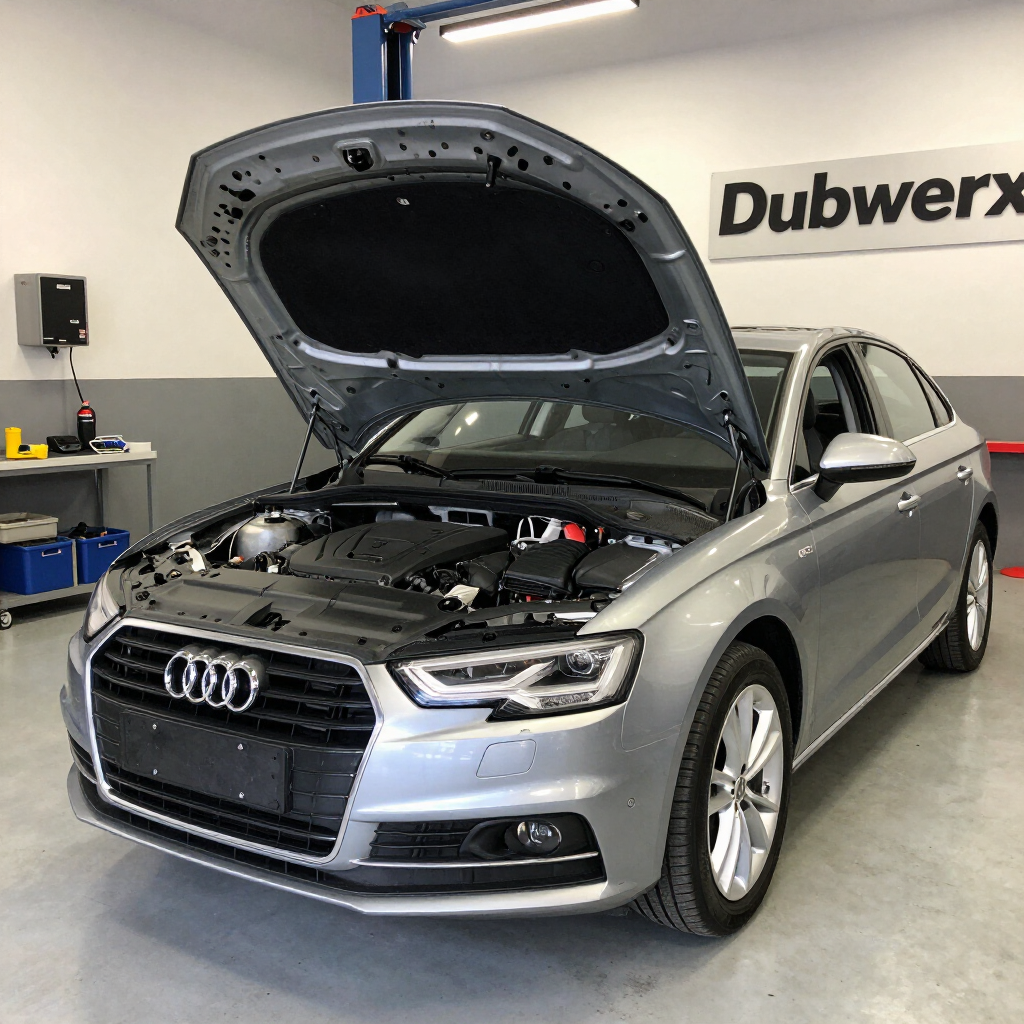
At Dubwerx, we provide comprehensive and complete care for Volkswagen and Audi vehicles. Our experienced technicians know exactly what your car needs to stay in top shape, and we're here to answer any questions you may have about the maintenance process. So why is changing your oil so important? Let's take a closer look.


The Benefits of Regular Oil Changes

Oil is the lifeblood of your engine. It lubricates the moving parts and helps to keep everything running smoothly. Over time, however, oil can break down and become less effective at doing its job. This can lead to increased wear and tear on your engine, reduced performance, and even engine failure in extreme cases.

That's why it's essential to change your oil regularly. Replacing your old, worn-out oil with fresh, clean oil ensures that your engine stays well-lubricated and protected from damage. This can help extend your engine's life and save you money on repairs over time.


How Often Should You Change Your Oil?

So how often should you be changing your oil? The answer depends on a few factors, including the make and model of your car, your driving habits, and the type of oil you use. However, we recommend changing your oil every 5,000 miles for most Volkswagen and Audi vehicles.


You may need to change your oil more frequently if you drive your car in extreme weather, harsh conditions, or for long distances. It's always a good idea to consult your owner's manual or speak with a qualified technician to determine your vehicle's best oil change schedule.


Possible Reasons for Oil Leaks

In addition to changing your oil regularly, it's essential to watch for any signs of oil leaks. If you notice oil spots on your driveway or garage floor, or if you see smoke coming from under the hood of your car, it could be a sign that your engine is leaking oil. Additionally, if your car is equipped with the tech, you may get a check engine light to indicate it's time for an oil change. Some cars will also tell you if your oil is getting low. 


There are several reasons for oil leaks, including worn-out gaskets or seals, a damaged oil pan, or a cracked engine block. If you suspect your car is leaking oil, it must be inspected by a qualified technician as soon as possible. Ignoring an oil leak can lead to severe engine damage and expensive repairs down the line.


Taking Care of Your Car and Oil

To keep your Volkswagen or Audi running smoothly and avoid costly repairs, taking good care of your car and your oil is essential. Here are a few tips to keep in mind:

  • Follow your manufacturer's recommended maintenance schedule. This will ensure your car gets the regular maintenance needed to stay in top shape.
  • Check your oil level regularly. This can help you catch any potential problems early and avoid engine damage.
  • Use high-quality oil and oil filters. Cheap oil and filters may save you money in the short term but can cause severe engine damage over time.
  • Keep your engine clean. A clean engine is less likely to develop leaks or other problems.
  • Drive responsibly. Avoid aggressive driving and excessive idling, which can strain your engine and cause premature breakdowns.


Having a team like Dubwerx to remind you about oil changes and give you quality services will also help ensure your car is in working order for as long as possible. 


Dubwerx in Cincinnati, Ohio, Is Your One-Stop Shop

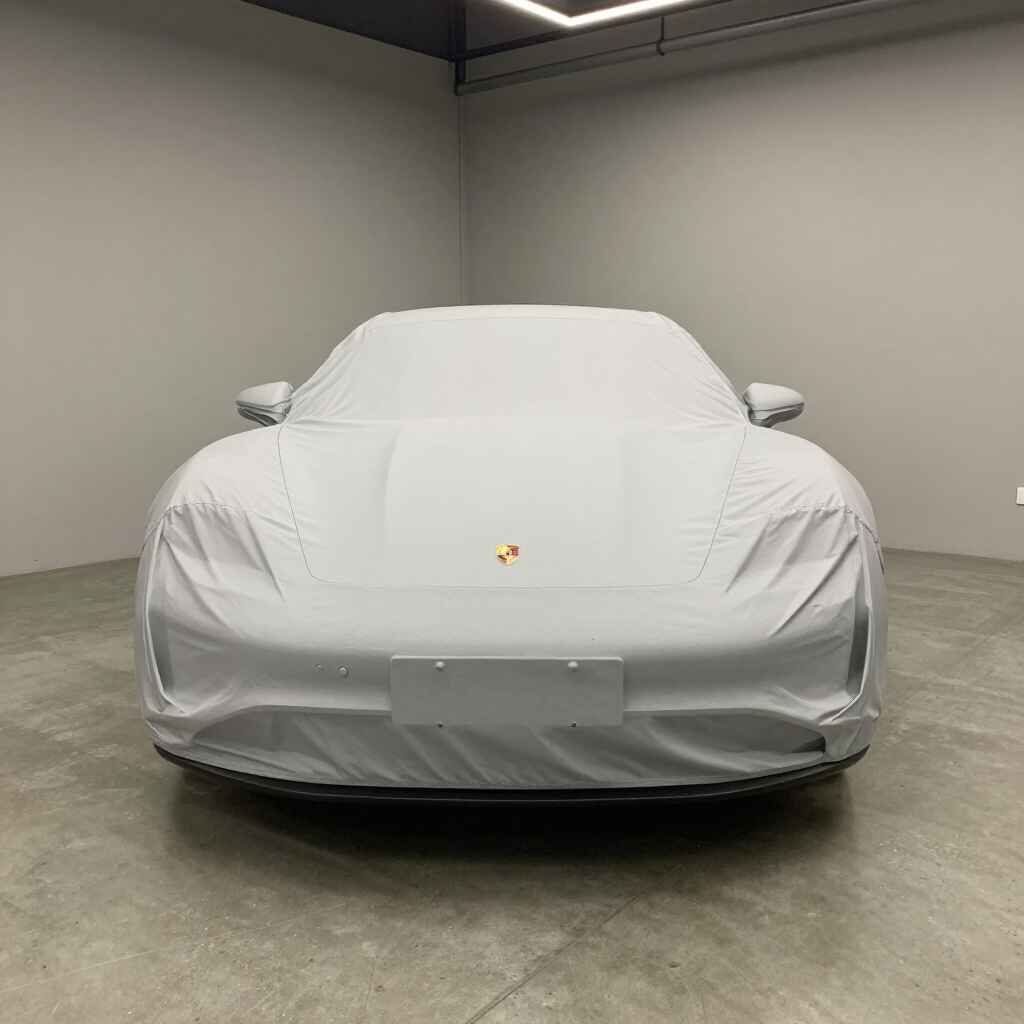
If you are in the area of Cincinnati, Ohio, Contact Dubwerx today for an appointment with our specialist technicians! And don't forget to follow us on Facebook for news and updates. We look forward to meeting you and your Audi, Volkswagen, or Porsche. We are located at 6323 Madison Rd. Cincinnati, OH 45227, our hours are Mon - Fri: 8:00 AM - 5:30 PM.
May 18, 2026
Volkswagen vehicles are known for their balance of comfort, efficiency, handling, and personality. Whether you drive a Jetta, Passat, Tiguan, Atlas, Golf, GTI, Golf R, Taos, Beetle, or another VW model, regular maintenance plays a major role in how your vehicle performs over time. These vehicles are designed with specific service needs, and staying ahead of routine maintenance can help protect reliability, performance, safety, and long-term value. For many Volkswagen owners, the challenge is not knowing whether maintenance matters. Most drivers understand that their vehicle needs oil changes, brake inspections, tire care, and other routine services. The real challenge is knowing what matters most, when service should be done, and why working with a Volkswagen specialist can make a difference. VW vehicles are engineered differently than many other makes, so the right maintenance plan should match the vehicle, the mileage, the engine, and the way it is driven. At Dubwerx, we help Volkswagen owners in Cincinnati take care of their vehicles with service built around experience, communication, and a deep understanding of VW platforms. Routine maintenance should not feel confusing or stressful. It should help you understand the condition of your car, plan ahead, and make confident decisions before small issues turn into bigger repairs. Whether your Volkswagen is newer, aging, modified, daily driven, or something you plan to keep for years, regular maintenance is one of the best ways to protect it. Volkswagen Oil Changes Need the Right Oil Oil changes are one of the most important maintenance services for any Volkswagen. Your engine depends on clean oil to lubricate moving parts, manage heat, reduce friction, and help protect internal components. Over time, oil breaks down and becomes contaminated. If it is not changed on schedule, it can become less effective at protecting the engine. Volkswagen engines often require oil that meets specific VW standards. This is important because not every oil is the right fit, even if the viscosity looks similar. Using oil that does not meet the correct specification can affect engine protection, performance, and long-term reliability. Turbocharged engines, which are common in many Volkswagen models, can be especially sensitive to proper oil quality and service intervals. A proper Volkswagen oil service should include the correct oil, the correct filter, and an inspection of the vehicle. At Dubwerx, oil changes are treated as part of a larger maintenance strategy. They are not just a quick fluid change. They are an opportunity to check for leaks, inspect visible components, review wear items, and help you understand what your vehicle may need next. Brake Maintenance Helps Protect Safety and Performance Volkswagen vehicles are built to feel confident on the road, and the braking system is a major part of that driving experience. Whether you are commuting through Cincinnati, driving on hills, sitting in traffic, or enjoying a more spirited drive, your brakes need to respond consistently. Brake pads, rotors, calipers, fluid, and hardware all wear over time, which means regular inspections are important. Many drivers wait until they hear squeaking, grinding, or feel vibration before scheduling brake service. While those symptoms should never be ignored, it is better to catch brake wear before it becomes urgent. Worn pads can damage rotors. Sticking calipers can create uneven wear. Old brake fluid can affect braking feel. Small issues can become larger repairs when they are not addressed early. Volkswagen brake service should be handled with the right parts and an understanding of the vehicle’s braking system. The goal is not only to stop the noise or replace a worn part. The goal is to restore proper braking performance, maintain safety, and keep the vehicle feeling the way it should. Tire Care and Alignment Matter More Than Many Drivers Realize Tires and alignment have a direct impact on how your Volkswagen drives. If the alignment is off, the car may pull to one side, the steering wheel may sit crooked, or the tires may wear unevenly. If the tires are worn, underinflated, out of balance, or damaged, the vehicle may feel rough, noisy, unstable, or less responsive. Cincinnati roads can be tough on tires and alignment. Potholes, uneven pavement, curbs, road construction, weather changes, and daily driving can all affect the way your vehicle feels. Even a small alignment issue can shorten tire life and change handling. Since Volkswagen vehicles are often appreciated for their road feel, tire and alignment issues can be especially noticeable. Routine tire rotations, pressure checks, tread inspections, balancing, and alignment checks can help protect your tires and improve the driving experience. If your Volkswagen does not feel as smooth, centered, or predictable as it used to, it may be time to have the tires, wheels, steering, and suspension inspected. Fluid Services Help Protect Major Systems Your Volkswagen uses several fluids to protect important systems. Engine oil, coolant, brake fluid, transmission fluid, power steering fluid in applicable models, and other fluids all serve specific purposes. These fluids do not last forever. Over time, they can become contaminated, lose effectiveness, or drop below proper levels if there is a leak. Coolant is especially important because it helps regulate engine temperature. Volkswagen cooling systems should be inspected for leaks, worn hoses, water pump concerns, thermostat issues, and proper coolant condition. Overheating can lead to serious engine damage, so cooling system maintenance should never be ignored. Brake fluid also matters because it supports hydraulic braking performance. As brake fluid ages, it can absorb moisture and become less effective. Transmission service may also be needed depending on the model, mileage, and transmission type. A Volkswagen specialist can help determine which fluid services are due and which should be planned based on your vehicle’s specific needs. Warning Lights Should Be Diagnosed Properly A warning light on your dashboard should not be ignored, but it also should not be treated with guesswork. A check engine light, EPC light, ABS light, coolant warning, oil pressure warning, airbag light, or other alert means the vehicle has detected an issue. The light can point technicians in the right direction, but it does not always confirm the exact repair by itself. A basic code scan may show where to begin, but proper diagnostics are needed to understand what is actually causing the issue. This is especially true with Volkswagen vehicles because different systems can overlap. A drivability problem may involve sensors, ignition components, fuel delivery, boost pressure, emissions systems, wiring, or other areas. Replacing parts without confirming the cause can lead to wasted money and continued problems. At Dubwerx, diagnostics are part of helping Volkswagen owners get clear answers. The goal is to identify the root cause, explain what was found, and recommend the right repair. That kind of process helps reduce frustration and gives drivers more confidence in the work being performed. Timing Components Should Not Be Overlooked Some Volkswagen engines use timing belts, while others use timing chains. Either way, timing components are critical because they keep the engine’s internal movement synchronized. If a timing belt or related component fails, the result can be serious engine damage. Timing chain issues can also create performance problems, warning lights, noise, or more involved repairs if not addressed properly. The timing service needs for your Volkswagen depend on the specific engine and mileage. Some models have well-known service intervals for timing belt replacement. Others may need inspection or diagnosis if there are symptoms related to the timing chain system. This is one of the areas where working with a Volkswagen specialist is especially helpful because model and engine knowledge matters. If you are unsure whether your Volkswagen has a timing belt or timing chain, or whether it is due for service, Dubwerx can help review your vehicle and service history. Timing-related maintenance is not something to leave to chance. Suspension Maintenance Keeps the Car Feeling Right Volkswagen vehicles are often appreciated for their comfortable but controlled ride. When suspension components begin to wear, the vehicle may not feel as tight, smooth, or stable as it once did. You may notice clunking, bouncing, uneven tire wear, pulling, vibration, or a rougher ride over bumps. Suspension systems include parts such as shocks, struts, control arms, bushings, ball joints, sway bar links, and related components. These parts experience constant movement and stress, especially on rough roads. Over time, they wear down and affect ride quality, handling, and tire wear. A suspension inspection can help determine whether a noise or handling concern is related to worn components. Addressing suspension issues can make your Volkswagen feel more stable and enjoyable to drive while also helping protect your tires and alignment. Maintenance Is Important for Turbocharged Engines Many modern Volkswagen models use turbocharged engines. These engines can deliver strong performance and efficiency, but they also need proper care. Oil quality, oil change intervals, cooling system condition, intake components, boost control, and overall maintenance all matter when caring for a turbocharged vehicle. Turbocharged engines operate under heat and pressure, so neglecting maintenance can create larger concerns over time. Delayed oil changes, poor-quality oil, leaks, worn ignition components, or unresolved warning lights can all affect how the engine performs. If the vehicle feels down on power, hesitates, misfires, smokes, or triggers a warning light, it should be inspected by a technician familiar with VW turbo systems. A Volkswagen specialist can help maintain turbocharged engines properly and identify potential issues before they become more expensive. For owners who enjoy the way their VW drives, staying ahead of maintenance helps preserve that performance. Maintenance Records Help Protect Long-Term Value Keeping up with maintenance is not only good for reliability. It can also help protect the value of your Volkswagen. Service history matters, especially if you plan to sell, trade, or keep the vehicle for the long term. A well-documented maintenance record shows that the vehicle has been cared for properly. For higher-mileage Volkswagen vehicles, service history becomes even more important. Knowing when oil changes were completed, when brakes were serviced, whether fluid services were done, and whether major maintenance items were handled can help guide future repairs. Without that history, it can be harder to know what the vehicle needs. Working with the same trusted shop over time can make this easier. Dubwerx can help track service needs, monitor wear, and build a clearer picture of your Volkswagen’s condition over time. That helps you make smarter decisions and avoid treating each visit like a mystery. A Volkswagen Specialist Can Help You Plan Ahead Routine maintenance works best when it is proactive. Instead of waiting for something to break, a specialist can help you understand what is coming up based on mileage, age, condition, and known service needs. This is especially valuable for Volkswagen owners because maintenance requirements can vary by model and engine. Planning ahead can help you avoid surprise repairs and budget more effectively. If your brakes are getting close, your tires are wearing unevenly, your battery is weak, or a fluid service is due soon, it is better to know early. That gives you time to make decisions instead of being forced into an urgent repair. At Dubwerx, we want Volkswagen owners to feel informed. A good maintenance visit should help you understand what needs attention now, what can wait, and what should be watched. That kind of communication makes ownership easier. Schedule Volkswagen Maintenance With Dubwerx Your Volkswagen was built with specific service needs, and it deserves maintenance from a shop that understands those details. Routine maintenance helps protect performance, reliability, safety, and long-term value. From oil changes and brakes to diagnostics, fluids, tires, suspension, timing components, and inspections, staying ahead of service is one of the best ways to take care of your VW. Dubwerx provides Volkswagen service and repair for drivers in Cincinnati and the surrounding area. Whether your vehicle is due for maintenance, showing a warning light, making a noise, or simply not driving the way it should, our team can help inspect it, explain what we find, and recommend the right next step.  Schedule your Volkswagen maintenance with Dubwerx today and keep your VW running the way it was built to drive.
May 18, 2026
The body content of your post goes here. To edit this text, click on it and delete this default text and start typing your own or paste your own from a different source.
March 18, 2026
If you drive a BMW, Audi, or Mercedes in Cincinnati, you already know these vehicles are built for performance and precision. What many drivers do not realize is that each of these brands tends to develop certain patterns over time. Knowing what to watch for can help you catch issues early and avoid larger repairs. At Dubwerx, we handle European auto repair in Cincinnati every day, and we see the same concerns come through the shop consistently. The key is recognizing the early signs before they turn into something more serious. BMW owners often deal with oil leaks and cooling system issues as their vehicles age. You might notice a light burning smell, small spots where you park, or your engine running warmer than usual. These are early indicators that something needs attention. If you have been searching for BMW repair in Cincinnati, this is one of the most common starting points. Addressing these issues early helps protect the engine and keeps performance consistent. Audi vehicles are known for strong performance, but they can develop timing and electrical concerns over time. Drivers may notice rough starts, hesitation, or warning lights that seem inconsistent. Electrical systems in these vehicles are advanced, which means even small faults can create noticeable symptoms. If you are looking for Audi service in Cincinnati, catching these issues early can prevent more involved repairs down the road. Mercedes vehicles are built for a smooth and refined driving experience, so changes tend to stand out quickly. Suspension wear is something we see often, especially with daily driving around Cincinnati. If your ride feels less stable or you notice uneven handling, it may be time to have it checked. Transmission performance can also shift over time, showing up as delayed or rough gear changes. Drivers searching for Mercedes repair in Cincinnati usually come in after noticing these changes in how the car feels. Across all three brands, there are a few universal signs that should never be ignored. Warning lights are one of them. Even if the vehicle still drives normally, those alerts are tied to systems designed to catch problems early. Strange noises are another sign. Whether it is a ticking sound, a rattle, or something that only happens under acceleration, it is worth having it looked at. A drop in fuel efficiency is also a common indicator that something is not running as it should. Fluid leaks are another area where early action matters. Oil, coolant, and transmission fluid all play a critical role in how your vehicle performs. If you notice any kind of leak, it is a good time to schedule service. Many drivers searching for European auto repair near Cincinnati come in after spotting something in their driveway that did not used to be there. One of the biggest advantages you have as a driver is familiarity with your vehicle. You know how it should feel when everything is right. When something changes, even slightly, it is usually worth paying attention to. European vehicles are designed with precision, so small differences often point to early stage issues. Working with a shop that specializes in European auto repair in Cincinnati makes a big difference in how these problems are handled. At Dubwerx, we focus on BMW, Audi, and Mercedes vehicles, which allows us to identify patterns quickly and recommend the right solution without unnecessary guesswork. If your vehicle has been showing any of these signs or just does not feel the way it used to, it is a good time to have it checked. Catching problems early helps protect your investment and keeps your car performing the way it should.  If you are searching for BMW repair, Audi service, or Mercedes repair in Cincinnati, Dubwerx is here to help. Schedule an inspection with our team and stay ahead of issues before they turn into bigger repairs.
March 18, 2026
If you drive a BMW, Audi, or Mercedes in Cincinnati, you have likely faced the decision of where to take your vehicle for service. Most drivers default to the dealership at first, especially when the car is newer. Over time, many start exploring other options and realize there is another path that often makes more sense. At Dubwerx, we talk to drivers every day who are weighing the difference between a dealership and an independent European auto shop in Cincinnati. The reality is both options can service your vehicle, but the experience, cost, and overall value can be very different. One of the first things people notice is cost. Dealerships typically have higher overhead, which gets passed down into labor rates and service pricing. That does not always mean better work, it just means you are paying for the brand and the structure behind it. Many drivers searching for BMW repair in Cincinnati or Audi service near them are surprised to learn they can get the same level of service without the dealership pricing. Another big factor is how your vehicle is handled. At a dealership, technicians often work within a high volume environment. Cars move through quickly, and the process can feel less personal. At an independent European auto repair shop in Cincinnati like Dubwerx, the focus is more on accuracy and long term results. We take the time to understand what is happening with your vehicle instead of just checking boxes. There is also a misconception that dealerships have access to better tools or parts. In reality, independent European specialists use the same diagnostic equipment and have access to OEM parts. The difference is how those tools are used. When you bring your vehicle to a shop that focuses specifically on BMW, Audi, and Mercedes service in Cincinnati, you are working with technicians who deal with these systems every single day. Turnaround time is another area where drivers see a difference. Dealerships can take longer due to volume and scheduling. If you rely on your vehicle daily, waiting longer than necessary can be frustrating. Independent shops are often able to diagnose and repair issues more efficiently, helping you get back on the road sooner. Communication also plays a big role in the experience. Many drivers feel like they are just another number at a dealership. Questions can go unanswered, and explanations can feel rushed. At Dubwerx, we focus on clear communication so you understand exactly what your vehicle needs and why. If you are looking for European auto repair near Cincinnati, having that level of transparency can make a big difference. Warranty concerns are something that come up often. Some drivers believe they have to go to the dealership to maintain their warranty, but that is not the case. As long as your vehicle is serviced properly and documented, you can choose where to have the work done. This opens the door for drivers to choose a shop that offers better service and value without giving anything up. Over time, many Cincinnati drivers transition away from the dealership once they find a shop they trust. It becomes less about where the car was purchased and more about who is taking care of it moving forward. European vehicles are an investment, and choosing the right shop helps protect that investment. If you have been searching for BMW repair, Audi service, or Mercedes repair in Cincinnati and are unsure where to go, it is worth exploring your options. Dealerships are not the only choice, and for many drivers, they are not the best long term fit.  At Dubwerx, we specialize in European auto repair in Cincinnati and focus on delivering dealership level service with a more personalized approach. If you are ready for a different experience, schedule your next service with our team and see the difference for yourself.
March 18, 2026
If you drive a BMW, Audi, or Mercedes in Cincinnati, you already understand the difference in how these vehicles feel on the road. They are smoother, more responsive, and built with a level of precision that stands out. What often gets overlooked is what it takes to keep them performing that way over time. At Dubwerx, we see it all the time. Two vehicles can be the same make and model, driven in similar conditions around Cincinnati, but one runs flawlessly while the other starts having issues. The difference usually comes down to consistent maintenance. European vehicles are not built like domestic cars. They rely on tighter engineering, more advanced systems, and specific service intervals. That means routine service is not just recommended, it is essential. If you have been searching for BMW maintenance in Cincinnati or Audi service near you, it is likely because you are starting to notice the importance of staying ahead of issues. Oil changes are one of the most important services, but not all oil changes are the same. BMW, Audi, and Mercedes vehicles require specific oil types and intervals based on how the engine is designed. Waiting too long or using the wrong oil can lead to buildup, reduced performance, and long term engine wear. We regularly see vehicles come in for European auto repair in Cincinnati where a simple oil service could have prevented much larger problems. Cooling systems are another area where maintenance plays a big role. European engines tend to run hotter, and they rely heavily on properly functioning cooling components. Coolant flushes, hose inspections, and thermostat checks help prevent overheating. When these systems are ignored, it can quickly turn into one of the more expensive repairs a driver can face. Brakes and suspension also require consistent attention. Cincinnati roads, weather changes, and daily driving all put stress on these systems. BMW, Audi, and Mercedes vehicles are designed for precise handling, so worn brake components or suspension parts can change how the car feels almost immediately. If you have noticed your vehicle does not feel as stable or smooth, it may be time to look into European car service in Cincinnati. Another key piece of maintenance is staying on top of filters and airflow systems. Air filters, cabin filters, and fuel filters all play a role in how your car performs and how efficient it is. When these components get clogged or worn, your vehicle has to work harder, which can impact both performance and fuel economy. This is something we check often for drivers looking for Audi repair or Mercedes service in Cincinnati. Spark plugs and ignition components are also critical. These parts help your engine run smoothly and efficiently. Over time, they wear down, which can lead to misfires, rough idling, or a noticeable drop in performance. Replacing them at the right time helps keep your engine running the way it was designed. One thing many drivers do not realize is how much preventative maintenance helps reduce overall cost. It might seem easier to wait until something goes wrong, but European vehicles are not built to be reactive. Small services done at the right time help avoid larger repairs that can take your car off the road for longer periods. Working with a shop that understands European vehicles makes a big difference. At Dubwerx, we focus on BMW, Audi, and Mercedes service in Cincinnati, which means we know what to look for before issues become obvious. We follow manufacturer recommendations and tailor service based on how you actually drive your vehicle. If you have been putting off routine service or are unsure what your vehicle needs next, this is the time to get ahead of it. Staying consistent with maintenance keeps your car reliable, protects its performance, and helps you avoid unexpected repairs.  If you are searching for European auto repair in Cincinnati or need BMW, Audi, or Mercedes maintenance, Dubwerx is ready to help. Schedule your next service and keep your vehicle running the way it should every time you drive it.
March 18, 2026
If you are driving a BMW, Audi, or Mercedes around Cincinnati, you expect a certain level of performance every time you get behind the wheel. These cars are built to be smooth, responsive, and consistent. When something starts to feel off, even slightly, it usually means your vehicle is trying to tell you something early. At Dubwerx, we work on European auto repair in Cincinnati every day, and the biggest difference we see between minor fixes and major repairs comes down to timing. The sooner you catch an issue, the easier it is to correct and the less it tends to cost. One of the first things drivers notice is a change in how the car drives. Maybe your BMW does not feel as quick when accelerating, or your Audi hesitates when shifting. Sometimes it is subtle, but European vehicles are designed to perform at a high level, so even small changes matter. If you have been searching for BMW repair in Cincinnati or Audi service near you, this is often what brings people in. These symptoms can point to ignition issues, fuel delivery problems, or even early transmission concerns. You might also notice new sounds that were not there before. A light ticking, a squeal when you start the car, or a deeper rumble under acceleration can all signal that something needs attention. Mercedes models in particular are known for running quietly when everything is right, so any new noise stands out quickly. If you are looking for Mercedes repair in Cincinnati, unusual sounds are one of the most common reasons drivers schedule a visit. Warning lights are another area that gets overlooked. It is easy to assume a light is not urgent if the car still feels fine, but European vehicles rely heavily on sensors and onboard systems. A check engine light, oil warning, or cooling system alert is your car’s way of catching something early. Ignoring it can turn a manageable issue into something much more involved. When drivers search for European auto repair near Cincinnati, it is often after a warning light has been on longer than it should be. Fluid leaks are another sign that should not be ignored. If you notice spots in your driveway or garage, that could be oil, coolant, or transmission fluid. European engines run at higher performance levels, which means proper fluid levels are critical. A small leak today can lead to overheating or internal damage if left alone. This is something we regularly address for BMW, Audi, and Mercedes service in Cincinnati. Another thing to pay attention to is how your car feels when braking or turning. If the steering feels loose, the brakes feel softer than usual, or the car pulls slightly to one side, there is usually an underlying issue. Suspension and brake systems on European vehicles are designed for precision, so any change is worth checking out. Drivers searching for European car repair in Cincinnati often mention these exact symptoms when they come in. Even something as simple as a drop in fuel efficiency can be a sign. If you find yourself filling up more often without changing your driving habits, your vehicle may not be running as efficiently as it should. This can be tied to engine performance, sensors, or airflow issues. It is another early indicator that something is not quite right. What makes all of this important is how quickly small issues can grow. European vehicles are engineered with tight tolerances, and when one component is off, it can affect other systems. That is why working with a shop that specializes in European auto repair in Cincinnati matters. At Dubwerx, we focus specifically on BMW, Audi, and Mercedes vehicles, which allows us to diagnose problems accurately and fix them the right way. If your car feels different, sounds different, or is showing any kind of warning, it is worth having it looked at sooner rather than later. The goal is not just to fix what is wrong today, but to keep your vehicle performing the way it should long term.  If you have been searching for BMW repair, Audi service, or Mercedes repair in Cincinnati, Dubwerx is here to help. Schedule a service with our team and get ahead of the issue before it turns into something bigger.
February 4, 2026
If you drive a Volkswagen or Audi, chances are you have thought about unlocking more performance. These vehicles are built with strong engineering foundations, especially the turbocharged models. From the factory, they are impressive. With the right upgrades, they can become something even more exciting. Before jumping into modifications, though, it is important to understand how performance tuning works and why working with the right European specialist in Cincinnati matters. Volkswagen and Audi platforms are known for their tuning potential. Many models share engines and drivetrains across different trims and even across brands. Manufacturers often leave performance headroom in place for reliability and emissions standards. That means there is room to increase power safely when it is done correctly. Software tuning is usually the starting point. By recalibrating the engine control unit, a tuner can adjust boost pressure, fuel delivery, and ignition timing to increase horsepower and torque. While tuning may sound simple, it is not something that should be approached casually. Every adjustment affects multiple systems within the vehicle. Increasing boost pressure, for example, raises engine temperatures and stress on internal components. Fuel systems must be capable of delivering the proper mixture. Cooling systems must be functioning efficiently. Supporting hardware matters just as much as software changes. That is why professional evaluation is critical before making performance upgrades. Cincinnati drivers often use their vehicles for both daily commuting and spirited driving. That means reliability still matters. A proper tuning approach considers how the vehicle will be used. If your Volkswagen or Audi is your daily driver, you want gains that enhance performance without compromising longevity. Working with a shop that understands European performance ensures your build is tailored to your driving habits rather than pushing limits unnecessarily. Another important factor is diagnostics and monitoring. Modern Volkswagen and Audi vehicles rely heavily on sensors and electronic controls. Performance tuning should integrate seamlessly with these systems. Poorly calibrated tunes can cause drivability issues, warning lights, or inconsistent power delivery. An experienced European performance shop in Cincinnati will verify that all systems communicate properly after modifications are installed. Hardware upgrades often accompany software tuning. Intake systems, intercoolers, downpipes, and upgraded exhaust components are common additions. Each modification influences airflow and engine efficiency. When these parts are installed without proper tuning adjustments, the results can be unpredictable. Performance is not just about adding parts. It is about creating a balanced system where everything works together. Transmission tuning is another area that many owners overlook. In vehicles equipped with dual clutch or automatic transmissions, additional torque from engine tuning may require recalibration of shift points and clutch pressures. Without this adjustment, drivability can suffer. A comprehensive tuning strategy considers the entire drivetrain rather than focusing solely on engine output. There is also the question of long term maintenance. Modified vehicles still require regular service, and in some cases maintenance intervals may change. Oil quality becomes even more important when engines are producing additional power. Cooling system health and spark plug condition should be monitored closely. A performance oriented shop understands these nuances and provides guidance to keep your vehicle running strong. Cincinnati weather can influence performance as well. Temperature changes affect air density and engine behavior. A properly tuned Volkswagen or Audi should account for real world conditions rather than being calibrated for ideal scenarios only. Local expertise matters when it comes to building a setup that performs consistently year round. One of the biggest mistakes enthusiasts make is chasing power numbers without considering the full picture. Performance tuning is not about bragging rights. It is about enhancing the driving experience in a controlled and reliable way. Smooth power delivery, responsive throttle input, and consistent acceleration create a more enjoyable car. Achieving that balance requires knowledge of European engineering and platform specific experience. At Dubwerx, performance upgrades for Volkswagen and Audi owners in Cincinnati are approached with precision and care. Each vehicle is evaluated individually. Diagnostics are reviewed. Supporting components are inspected. Tuning is performed with attention to long term reliability. The goal is not simply to increase horsepower, but to create a refined and dependable performance upgrade. If you have been considering performance tuning for your VW or Audi, the first step is having a conversation about your goals. Whether you are looking for improved daily drivability or a more aggressive setup, working with a dedicated European performance specialist ensures the upgrade is done properly. A thoughtful approach protects your investment and enhances the experience you already love about your vehicle. Performance should feel smooth, controlled, and exciting. When handled correctly, tuning can transform your driving experience without sacrificing reliability. If you are searching for Volkswagen tuning or Audi performance upgrades in Cincinnati, reach out to Dubwerx and take the next step with confidence. 
January 23, 2026
If you drive a BMW in Cincinnati, you already know it is built for performance and precision. The handling feels tight, the acceleration is responsive, and the engineering is on another level. But like any performance vehicle, BMWs have patterns when it comes to maintenance and repair. One of the most common concerns BMW owners face over time is oil leaks. They often start small, sometimes barely noticeable, but if ignored they can turn into much larger repairs. Oil leaks in BMW vehicles are not random. There are specific components that tend to wear and fail as mileage increases. Understanding the warning signs can help you catch problems early and avoid more serious damage. In a city like Cincinnati, where temperature swings and daily commuting put stress on vehicles, staying ahead of leaks is especially important. One of the most common sources of oil leaks in BMW engines is the valve cover gasket. Over time, the rubber gasket that seals the top of the engine becomes brittle from heat exposure. BMW engines run warm by design, and that consistent heat eventually hardens the gasket. When it loses flexibility, oil begins to seep out. You may notice a faint burning oil smell while driving, especially after the engine warms up. Sometimes you will see light smoke from the engine bay. Other times the leak drips onto surrounding components and creates a mess under the hood. Another frequent culprit is the oil filter housing gasket. This component seals the oil filter housing to the engine block. When it begins to fail, oil can leak down the side of the engine. This leak often shows up as oil residue on the front or side of the engine and can sometimes drip onto belts or other moving parts. If left unaddressed, it can lead to belt contamination and additional repairs. Cincinnati drivers who notice fresh oil on the driveway or under the front of the car should have it inspected promptly. The oil pan gasket is another area to monitor. While not as common as the valve cover or oil filter housing gasket, oil pan gasket leaks do occur as vehicles age. The oil pan sits at the bottom of the engine and holds engine oil. If the gasket begins to fail, oil may slowly leak out and collect underneath the vehicle. Because the oil pan is located lower, these leaks often leave visible spots where you park. Catching this early can prevent low oil levels and potential engine damage. BMW engines are engineered tightly, and proper oil levels are critical for performance and longevity. Driving with low oil due to a leak can increase friction inside the engine and accelerate wear. Modern BMW models may alert you to low oil levels through the onboard system, but not all leaks are dramatic enough to trigger an immediate warning. That is why routine inspections are so important. Cincinnati weather plays a role as well. Cold winters cause seals and gaskets to contract, while summer heat expands them. Over time, these repeated cycles weaken rubber components. If your BMW has several years or higher mileage on it, the likelihood of gasket related leaks increases. Regular service with a European specialist can identify early signs before the leak becomes obvious. One of the first signs many BMW owners notice is a burning oil smell after driving. That odor often comes from oil dripping onto hot engine components. While the smell might seem minor at first, it is a clear indicator that oil is escaping from somewhere it should not be. Ignoring it allows the leak to worsen and can lead to additional damage. You might also see oil collecting around engine components when the hood is open. A light film of oil on surrounding parts is not normal. Over time, that buildup can affect sensors and electrical connections. BMW engines rely heavily on precise electronic monitoring, and contamination from oil can create secondary issues. The good news is that most common BMW oil leaks are repairable when caught early. Replacing a valve cover gasket or oil filter housing gasket is far less costly than dealing with engine damage caused by running low on oil. The key is working with a shop that understands BMW engineering and knows where to look. At Dubwerx, BMW repair in Cincinnati is handled with a focus on precision and platform knowledge. BMW engines are not treated like generic vehicles. They are inspected with an understanding of common leak points, proper torque specifications, and manufacturer standards. Using the correct gaskets and high quality parts ensures the repair holds up long term. If you are noticing oil spots where you park, a burning smell while driving, or visible oil residue under the hood, it is time to schedule an inspection. Oil leaks do not fix themselves. Addressing them early protects engine performance and helps you avoid more serious repairs.  Your BMW was engineered for performance and longevity. Keeping it that way requires proactive care. If you are searching for reliable BMW repair in Cincinnati and want technicians who understand European vehicles inside and out, reach out to Dubwerx. Catching an oil leak early can make the difference between a simple repair and a much larger problem down the road.
January 7, 2026
Why You Should Never Take Your Volkswagen or Audi to a General Repair Shop in Cincinnati If you drive a Volkswagen or Audi in Cincinnati, you already know it is not the same as driving a basic commuter car. You chose it for a reason. Maybe it was the handling, the engineering, the turbocharged performance, or the way it feels connected to the road. European vehicles are built differently. They are engineered with precision, advanced electronics, and systems that require specific knowledge. That is why taking your Volkswagen or Audi to a general repair shop can quickly turn into a frustrating and expensive mistake. On the surface, many repair shops look the same. They offer oil changes, brake service, engine diagnostics, and general maintenance. But European vehicles, especially Volkswagen and Audi models, operate on a different level of complexity. The technology inside these cars is sophisticated. From direct injection systems to turbochargers and advanced engine management software, these vehicles rely on specialized tools and training. A general shop that works primarily on domestic or entry level imports may not have the equipment or experience required to diagnose issues correctly. One of the biggest differences is diagnostic capability. Volkswagen and Audi vehicles use manufacturer specific software systems that communicate detailed data through advanced control modules. Generic scan tools often do not access the full range of information available in these systems. That means a general shop may only see part of the picture. When a check engine light appears or a drivability issue develops, incomplete diagnostics can lead to guesswork. Guesswork leads to unnecessary parts replacements and repeated visits. A shop that specializes in European repair in Cincinnati will use proper diagnostic tools that read manufacturer specific codes and data streams accurately. Another major factor is experience. Volkswagen and Audi vehicles have common patterns when it comes to maintenance and repair. Timing chain tensioners, water pumps, ignition coils, carbon buildup, and oil consumption concerns are all issues that experienced European specialists understand in depth. A technician who works on these vehicles every day knows what to look for and how to address it properly. A general technician who sees one occasionally may not immediately recognize the root cause. Experience shortens repair time, improves accuracy, and protects your investment. Parts quality also matters. European vehicles are engineered with tight tolerances and specific component requirements. Installing lower quality aftermarket parts can lead to performance issues or premature failure. General shops often source parts based on cost rather than manufacturer specifications. A European specialist in Cincinnati understands the importance of using OEM or high quality equivalent components that meet the standards your Volkswagen or Audi was built around. The wrong part may work temporarily, but it rarely delivers long term reliability. Software updates and coding are another area where specialization makes a difference. Modern Volkswagen and Audi models rely heavily on software for everything from engine performance to transmission behavior and safety systems. Certain repairs require module coding or adaptation procedures after installation. Without the correct tools and knowledge, these steps can be skipped or performed incorrectly. That can cause new problems that did not exist before the repair. A shop that focuses on European vehicles understands these procedures and ensures everything communicates correctly after service. Performance is another reason specialization matters. Many Volkswagen and Audi owners appreciate the tuning potential of their vehicles. Turbocharged engines and advanced drivetrains allow for safe performance upgrades when done properly. However, performance modifications require an understanding of how supporting systems interact. Fuel delivery, cooling, boost control, and software calibration must work together. A general repair shop is unlikely to have experience with performance tuning or the specific needs of European platforms. Working with a dedicated European performance shop in Cincinnati protects both your reliability and your driving experience. Even routine maintenance benefits from specialization. Oil changes, brake services, and fluid flushes may seem straightforward, but European vehicles often have specific service intervals and fluid requirements. Using the wrong oil grade or ignoring manufacturer recommendations can create long term engine problems. A shop that understands Volkswagen and Audi maintenance schedules ensures services are performed according to proper standards rather than generic guidelines. There is also the value of long term relationship building. When you take your vehicle to a specialist like Dubwerx, your service history is tracked with a deeper understanding of your platform. Patterns are recognized. Preventative recommendations are made based on real world experience with similar vehicles in Cincinnati conditions. This proactive approach keeps small issues from turning into major repairs. General shops often operate transactionally. A specialist operates strategically. Cincinnati drivers who invest in European vehicles do so because they appreciate quality engineering. Protecting that investment requires working with technicians who respect and understand those standards. Choosing a European repair specialist is not about exclusivity. It is about ensuring your Volkswagen or Audi receives accurate diagnostics, proper parts, correct procedures, and experienced care. At Dubwerx, European vehicles are not an afterthought. They are the focus. If you are searching for Volkswagen repair in Cincinnati or Audi repair in Cincinnati and want a shop that understands the engineering behind your vehicle, working with a dedicated European specialist makes all the difference. Whether it is routine maintenance, diagnostics, or performance upgrades, trusting your car to the right team protects both its performance and its long term reliability.  Your Volkswagen or Audi deserves more than guesswork. It deserves expertise. If you want your vehicle serviced by professionals who understand European engineering inside and out, schedule your next appointment with Dubwerx and experience the difference of true specialization.
November 27, 2025
When you own a Volkswagen or Audi you are driving one of the most advanced brands on the road. These vehicles are engineered with precision technology, complex electrical systems, and highly integrated modules that communicate with each other dozens of times per second. Because of this level of engineering, accurate diagnostics are not optional. They are essential. At Dubwerx we focus exclusively on Volkswagen and Audi vehicles which gives us the experience, tools, and factory level software required to diagnose problems correctly the first time. Proper diagnostics save our Cincinnati drivers time, money, and frustration by preventing misdiagnosed repairs and unnecessary part replacements. Volkswagen and Audi vehicles rely on sophisticated electronics that manage engine performance, braking, safety systems, transmission behavior, comfort features, and more. When something goes wrong, the vehicle stores valuable data that helps us identify the root cause. A general repair shop may have basic diagnostic tools, but VW and Audi systems require equipment that understands brand specific codes, control modules, and communication protocols. At Dubwerx we use advanced tools designed for these vehicles which allow us to see the full picture instead of guessing. When diagnostics are done correctly, repairs are faster, more accurate, and far more cost effective. In this article we explain why diagnostic work is so important for Volkswagen and Audi owners, how Cincinnati driving conditions influence these systems, and what makes our approach different from general auto shops. Volkswagen and Audi electronics require specialized diagnostic tools Volkswagen and Audi models include dozens of modules that communicate with each other through a network. This includes the engine control module, transmission control module, ABS module, steering module, airbag system, comfort control unit, electronic parking brake system, and many others. Each system stores information about how the vehicle is performing and alerts us when something is out of range. To understand this data we use factory level diagnostic tools that communicate in the same language as your vehicle. These tools allow us to access brand specific fault codes, real time sensor readings, freeze frame data, module communication logs, and advanced testing functions. A general diagnostic scanner cannot interpret this data correctly which often leads to incorrect repair recommendations. For example, a misfire on a Volkswagen or Audi engine may not be caused by a coil or a spark plug. It may be related to fuel trim issues, sensor deviations, carbon buildup, boost pressure irregularities, or timing adaptations. Without proper diagnostic tools, it is easy to replace the wrong part and waste money. With the right tools, we see the exact conditions that caused the misfire and address the real problem. Cincinnati driving conditions affect how diagnostic systems respond Cincinnati drivers face a mix of steep hills, heavy traffic, cold winters, and warm summers. These conditions affect how Volkswagen and Audi systems behave. For example, short commutes in cold weather can cause moisture buildup in sensors and exhaust components. Stop and go traffic on I 71 or I 75 increases load on transmission and engine control systems. Hills in neighborhoods like Mount Adams and Price Hill place strain on brakes, turbos, and drivetrains. When a system becomes stressed, it may trigger warning lights or adapt to protect itself. A proper diagnostic scan helps us understand why the system reacted the way it did. This prevents unnecessary repairs and helps us make adjustments based on real data instead of assumptions. Why proper diagnostics prevent unnecessary part replacements One of the biggest advantages of proper diagnostics is avoiding the common trap of replacing parts that are not actually failing. Many general repair shops rely on guesswork when they see a check engine light or a warning message. For example, if an oxygen sensor code appears, some shops immediately replace the sensor. In many cases the real problem may be an intake leak, faulty wiring, or a failing temperature sensor that affects fuel trim. Volkswagen and Audi systems are highly interconnected, so incorrect assumptions can lead to expensive and unnecessary repairs. At Dubwerx we read live data, test components individually, and perform guided troubleshooting procedures based on manufacturer specifications. This approach ensures that we fix the actual problem instead of treating the symptom. When diagnostics are accurate, repairs are efficient. When diagnostics are rushed or incomplete, repairs become costly and frustrating. How we use live data to pinpoint issues One of the most valuable diagnostic tools we use is live data monitoring. This allows us to view how sensors, actuators, and modules are behaving while the vehicle is running. We can observe air flow, fuel trims, boost pressure, timing adjustments, transmission behavior, and dozens of other parameters in real time. For example, if a Cincinnati driver notices hesitation under acceleration, the cause could be related to turbo boost, air metering, timing adjustments, fuel delivery, or sensor performance. Instead of guessing, we analyze live data to find anomalies. This method helps us catch early signs of issues before they turn into larger repairs. Live data also helps identify problems that do not trigger warning lights. Many Volkswagen and Audi issues begin with minor deviations that only a trained specialist will recognize. By monitoring these values we can recommend maintenance that prevents future breakdowns. The importance of module communication diagnostics Volkswagen and Audi vehicles rely on communication between modules to function correctly. When a module stops communicating, becomes corrupted, or receives incorrect signals, the vehicle may behave unpredictably. Some modules may shut down certain features to protect the system. Others may trigger multiple warning lights that appear unrelated. We use diagnostic software that checks communication pathways between modules. This allows us to determine whether a problem is caused by a failing component, a wiring issue, or a software fault. Proper communication diagnostics prevent unnecessary part replacements and help us fix the issue correctly the first time. Why software updates matter for long term performance Volkswagen and Audi regularly release software updates that improve performance, fix bugs, and update system behavior. These updates can affect engine tuning, transmission logic, infotainment functions, safety systems, and many other features. At Dubwerx we check for available updates during diagnostic work. Keeping software current helps your vehicle run smoother and reduces the chances of future faults. General shops rarely check for updates because they do not have the required tools or access to manufacturer databases. Electrical diagnostics are essential for modern VW and Audi models Many Volkswagen and Audi issues are electrical rather than mechanical. These include problems with sensors, wiring, modules, and communication networks. Electrical issues often appear as intermittent faults that come and go. Without proper diagnostic equipment these problems are extremely difficult to identify. We perform electrical diagnostics that include voltage testing, wiring inspection, sensor testing, and module analysis. Electrical systems require patience and precision. By diagnosing electrical issues correctly, we help Cincinnati drivers avoid recurring problems and unnecessary part replacements. Cincinnati weather affects diagnostic needs Cincinnati’s climate contributes to many issues that require diagnostic attention. Cold weather affects batteries, sensors, and idle stability. Hot weather increases stress on cooling systems and turbochargers. Moisture can cause intermittent electrical problems. Sudden temperature changes may trigger sensor deviations. By understanding these patterns we can diagnose issues more accurately. We also know which systems tend to fail during each season, allowing us to make proactive recommendations. Why general auto shops cannot diagnose VW and Audi vehicles correctly Volkswagen and Audi vehicles require factory level equipment, specialized knowledge, and deep familiarity with platform design. General shops often lack these tools and rely on generic code readers that provide limited information. This leads to misdiagnoses, unnecessary part replacements, and repeat visits. At Dubwerx we diagnose Volkswagen and Audi vehicles every day. We know how these systems behave, what patterns to look for, and how to read diagnostic data correctly. Our experience leads to more accurate repairs and better long term outcomes. Proper diagnostics protect your investment Volkswagen and Audi vehicles are an investment, and proper diagnostics are one of the best ways to protect that investment. When issues are identified correctly you avoid costly repairs, prevent breakdowns, and extend the life of your vehicle. Proper diagnostics also ensure that performance stays consistent as your vehicle ages.  At Dubwerx we take pride in offering Cincinnati drivers the highest level of diagnostic expertise. Whether you are dealing with a check engine light, electrical issue, performance loss, or an intermittent fault, we can identify the cause accurately and repair it the right way.